Slab Leak Detection Visalia
A warm spot on the tile, the sound of running water with every tap off or a bill that jumps for no reason can all point under the floor. Our slab leak detection Visalia team brings 10+ years of finding leaks beneath concrete without tearing up the house.
- Acoustic and thermal tools pinpoint the spot
- Hot and cold lines tested separately
- Clear findings before any repair
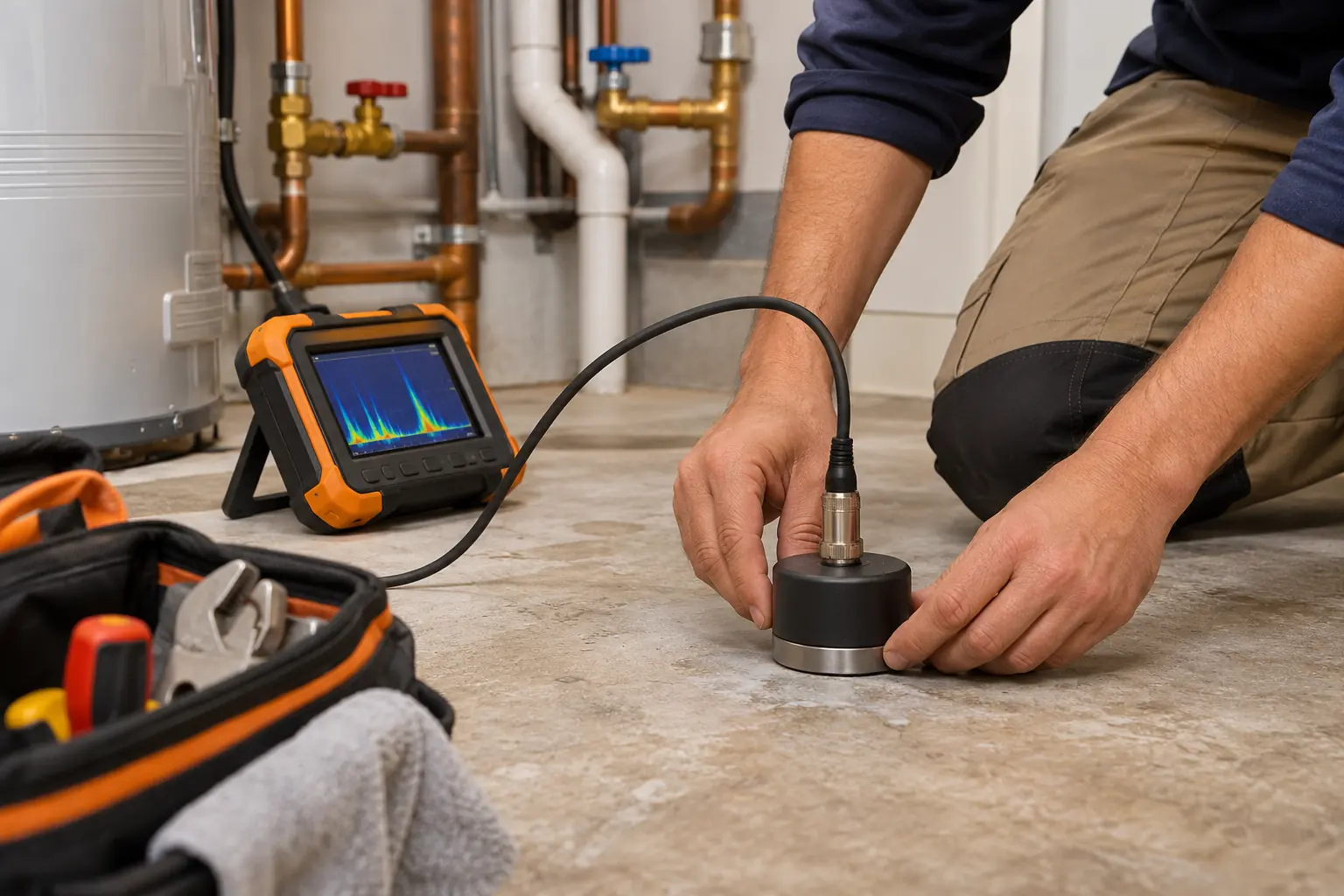
Warm Floor or Water Sounds Under the Tile?
A slab leak in Visalia CA homes often starts small and hidden. Slab leak detection Visalia homeowners book with us uses line isolation, pressure gauges, acoustic ground microphones and thermal imaging to find the exact spot where water escapes beneath the concrete.
Finding the leak first matters. It keeps repair openings small, protects flooring you want to keep and helps you choose between a spot repair and a reroute with real facts in hand.
What Our Leak Locating Visit Includes
Under slab leak detection starts with confirming a leak exists, then narrowing it down step by step. We test the hot and cold sides separately so we know which line has failed.
Once we mark the spot, you get clear findings and repair options with firm prices.
Tools and Tests We Use
- Water meter and pressure gauge tests
- Line isolation of hot and cold sides
- Acoustic ground microphone listening
- Thermal imaging for hot line leaks
- Moisture readings on flooring
- Tracer gas when other methods fall short
- Marked leak location and written findings
Plumbing Work Examples
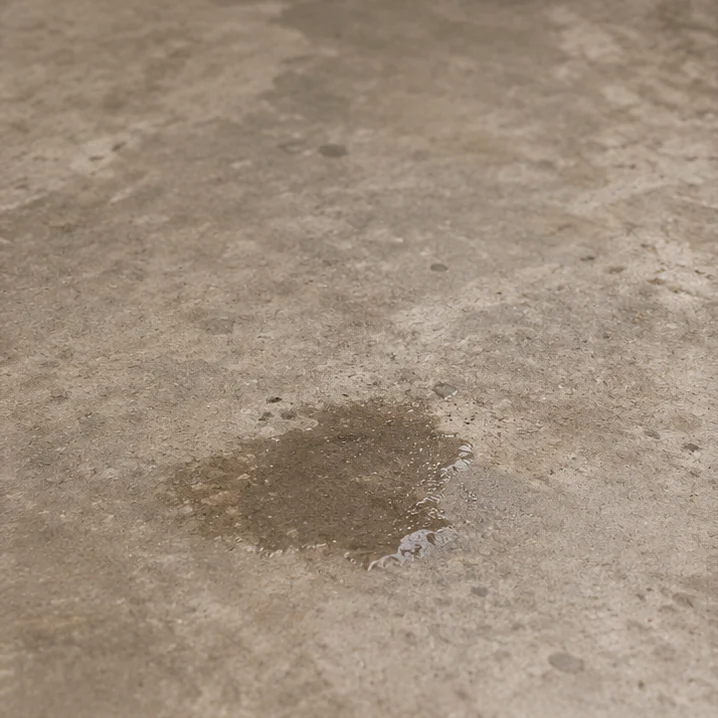
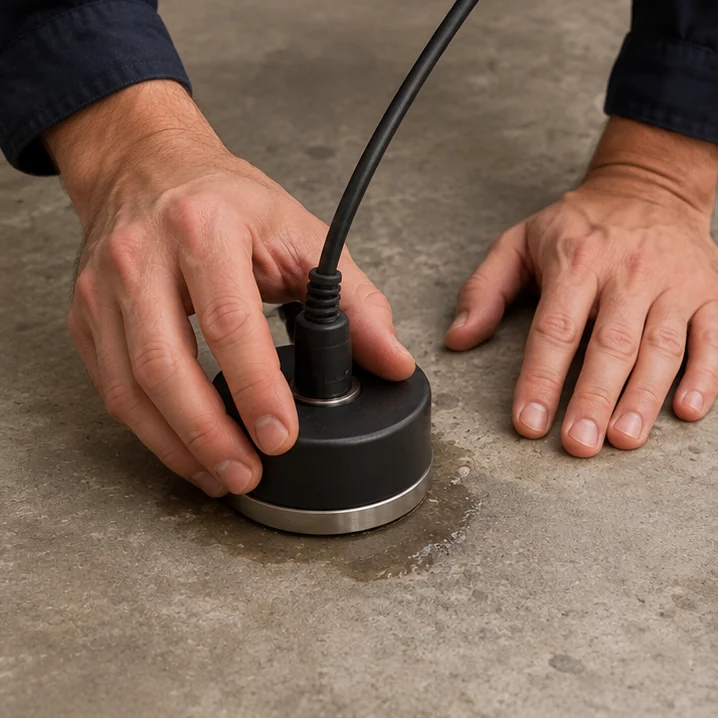
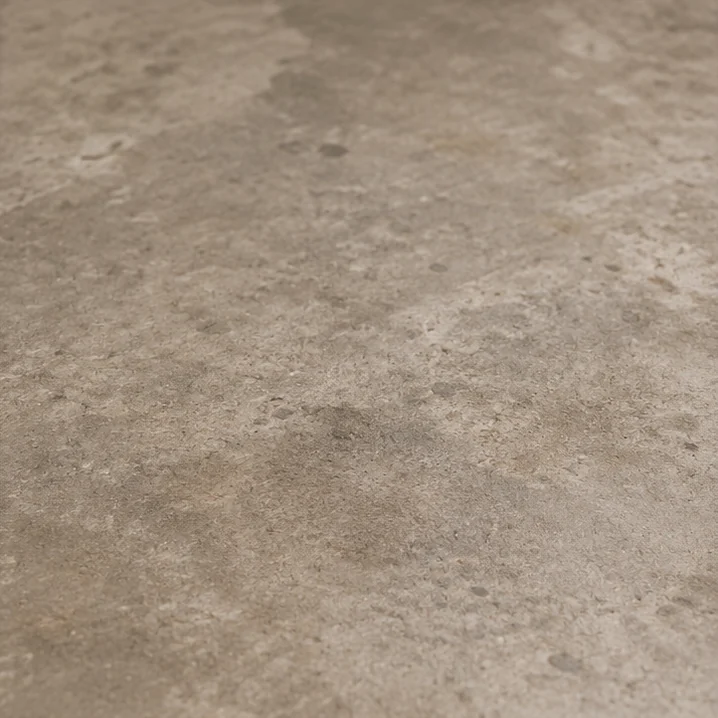
Our crew finds slab leaks under tile, carpet and wood floors across the city. The photos below show recent detection jobs, each captioned with the neighborhood and how the leak was found.
Clues That Point Under Your Slab
Slab leaks hide under concrete, but they still leave clues. If you notice any of these signs, a detection visit can confirm the cause before damage spreads.
- A warm spot on the floor: A warm spot on floor leak often comes from a hot water line. Bare feet may notice it first, especially on tile near kitchens and baths.
- Sound of running water: Hearing water with every tap off points to a pressurized line leaking somewhere. It may sound louder at night when the house is quiet.
- A moving meter: If the meter or its low flow indicator moves with all fixtures off, water is escaping. This simple test confirms a leak exists.
- Damp flooring or cracked tile: Carpet that feels wet or tile that cracks without reason can mean water is spreading under the floor.
- A water heater that runs constantly: If the heater keeps firing with no hot water in use, a hot line leak may be draining it nonstop.
What Puts Local Slabs at Risk
Several local building and soil patterns make slab leaks a common problem here.
Slab Foundations Are Standard
Most local homes sit on slab on grade foundations, with water lines running in or under the concrete. When those lines fail, the leak stays out of sight. Detection tools are often the only way to find it without breaking floors.
Clay Soils Shift and Settle
Local clay soils swell in wet winters and shrink in dry summers. That movement can stress pipes under the slab. A foundation leak in Visalia may also show up as cracks or uneven floors.
Hot Lines Often Fail First
Hot water copper lines expand and contract with every use. Over decades, that movement and friction against concrete can wear pinholes. Hot side leaks are often the first to appear.
Five Steps to Finding a Slab Leak
How do plumbers find a slab leak? We follow a clear order that narrows the search without guesswork.
- Phone triage: We ask about symptoms, bills and floor clues. That helps us plan which tools to bring and gives you a realistic arrival window.
- Confirm the leak: We test the meter and pressure with every fixture off. If the gauge drops, we know a leak exists and begin narrowing the search.
- Isolate the line: We separate the hot and cold sides to find which one leaks. This step can cut search time and avoids unnecessary openings.
- Pinpoint the spot: Acoustic microphones and thermal imaging track the sound and heat of escaping water. We mark the exact spot on the floor.
- Findings and options: You receive written findings, photos and repair options with firm prices. We explain spot repair, reroute and other choices.
Eight Warning Signs of a Slab Leak
Slab leaks often show more than one sign at a time. Knowing the full list helps you catch them early.
Signs Inside the Home
- Warm spots on tile or wood floors
- Sound of running water with taps off
- Damp carpet or swollen baseboards
- Cracked tile without a clear cause
- Mildew odors near floors
Signs on Bills and Fixtures
- A water bill that jumps suddenly
- A meter moving with fixtures off
- Low pressure at several taps
- A water heater running constantly
- Hot water taking longer to arrive
Why Leaks Under Slabs Are So Common Here
Slab leaks come from a mix of building methods, pipe age and pressure. Understanding the causes helps you plan for prevention.
- Slab foundations: Pipes run in or under the concrete, so even small leaks stay hidden until damage shows.
- Older copper: Homes from the 1970s through 1990s often have copper lines that have thinned with age and minerals.
- Soil movement: Clay and adobe soils shift with the seasons, stressing pipes and joints under the slab.
- High pressure: Street pressure above 80 psi strains pipes. A working pressure regulator protects lines under the floor.
Slab Leak Detection Cost in Visalia
Slab leak detection cost depends on home size, the number of lines and how hard the leak is to locate. The table shows what shapes the price. You get a firm price before detection begins.
| Job | What Shapes the Price |
|---|---|
| Slab leak detection | Home size and number of lines |
| Tracer gas testing | Used only when other methods fall short |
| Spot repair after detection | Leak depth and flooring type |
| Reroute after detection | Line length and attic access |
Services Homeowners Add After Detection
Residents often book repair and protection services once a slab leak is found. Handling them together saves time and limits disruption. These are the most common next steps.
Worried About Breaking Up Your Floors?
Accurate detection is the best way to keep repair openings small. Knowing the exact spot also helps you decide whether a reroute could avoid opening the slab at all.
We serve homes across the city and nearby towns. Homeowners who need slab leak detection in Tulare CA or slab leak detection in Exeter CA get the same careful search.
Slab Leak Detection Questions
These are the detection questions homeowners ask us most. Call if your situation is different.
How Do Plumbers Find a Slab Leak?
Plumbers confirm the leak with meter and pressure tests, isolate hot and cold lines, then use acoustic and thermal tools. In Visalia homes, this usually pinpoints the spot without breaking floors.
How Much Does Slab Leak Detection Cost?
Cost depends on home size and how hard the leak is to find. Visalia homeowners get a firm price before detection begins, with no surprise charges.
Can a Slab Leak Cause Foundation Damage?
Water under a slab can soften soil and add stress over time. Visalia clay soils react to moisture, so finding leaks early helps protect the foundation.
Is a Warm Floor Always a Slab Leak?
Not always. Radiant heat or sunlight can warm floors too. In Visalia homes, a warm spot plus a moving meter strongly suggests a hot line leak.
How Long Does Slab Leak Detection Take?
Many detection visits take two to four hours. Larger Visalia homes or leaks that are hard to hear can take longer.
Book Slab Leak Detection Visalia Service Today
Call now to describe your floor clues and water bill. We will confirm the leak, pinpoint the spot and explain your repair options with firm prices.